There are many contributing factors that affect your gut health. Factors such as diet, food intolerances, lifestyle, hormones, sleep and medications will affect the state of how your body digests and eliminates what you eat and drink.
Your gut is the gateway to better health. This is because its primary role is to break down
Many chocolate lovers consume and enjoy chocolate without ever thinking about where it comes from or how it was produced. However, there are many issues surrounding the production of chocolate that are important for consumers to be aware of. With Easter only days away
Check out this awesome blog we found today from www.healthambition.com. A great little story about the health benefits of ginger and an awesome recipe for homemade spiced ginger tea!
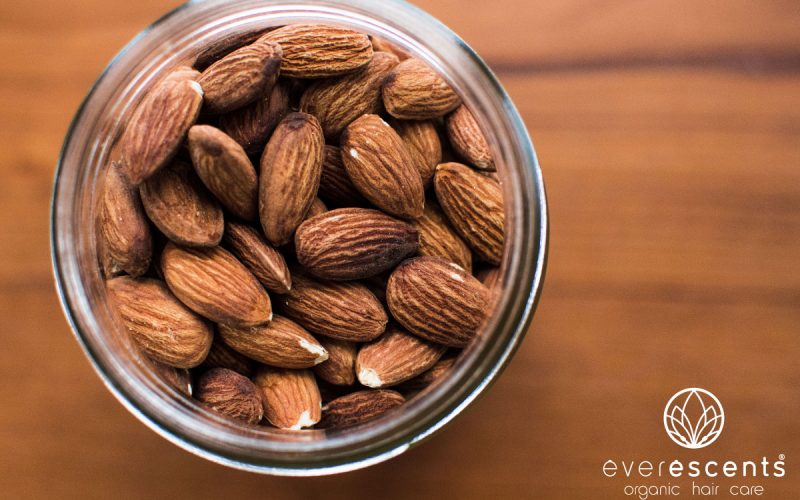
What are activated nuts?
Activated nuts have been soaked in water and salt for a period of time, which starts off the germination or sprouting process, then dehydrated at a low temperature. Soaking increases the
Ever wondered if those Raw desserts you are eating are actually good for you? We found this great blog from “Food to Love” that explains everything we’ve all been wondering!
Ever wondered what foods you should be eating in aid to support a healthy metabolism? I found this list the other day and thought I’d share it with you….
Organic Fruit– watermelons, papaya, lychee, cherries, grapes, RIPE/cooked apples, RIPE/cooked pears, peaches, kiwis, orange/orange juice, etc. are packed with good sugars (fructose and glucose), antioxidants, vitamins and minerals.
Organic RAW Carrots– Raw carrots act like a natural antibiotic to aid your gut. They help decrease bacteria, endotoxins and estrogens in the gut, which will help increase metabolism.
Organic Expeller Pressed Coconut oil – A healthy saturated fat consisting primarily of medium chain tryglicerides (MCT). The MCT’s in coconut oil are proven anti-fungal, anti-bacterial and anti-viral agents.
Organic Pastured Eggs– Eggs are loaded with vitamin B12, Vit D, Vit A, choline and leucine all of which are what your body utilizes to help metabolize fat.
Organic Dairy – and milk and other dairy contain tons of calcium. Calcium has shown to help decrease blood pressure and decrease abdominal fat.
Organic Fruit Vegetables– Squash, zucchini, tomatoes, pumpkin, etc. They contain high levels of folate, Vitamin C and fructose along with glucose.
Organic Russet Potatoes – rich in protein, calcium, iron, vitamins A and C. Always eat potatoes with a fat and protein and some fruit (you want the fructose). The fat, protein and fructose will help regulate your BS when consumed with the starch.
Organic Coffee– Coffee increases glucose uptake (increases metabolism) and provides the body with the minerals Mg, K, and the vitamins B1 and B3.
Wild Shell fish–Oysters, clams, muscles, shrimp, lobster, scallops and crab are all good sources of high quality protein. Shellfish contain vitamins A, C, D and E, and the B vitamins. Shellfish are an exceptional source of vitamin B12, which is required for every metabolic process in the body.
Salt–it’s natures diuretic and is necessary to mobilize glucose (sugar). The right white, clean source of salt actually increases your metabolism, decreases endema and helps muscles recover.
Organic chocolate — Chocolate contain not only a healthy level of antioxidants but it also contains stearic acid, a saturated fat that has been found to boost your metabolism.
Bone broth and Gelatin. — Bone broth and gelatin are an amazing protein source free of the inflammatory amino acids, cysteine, methionine and tryptophan.*Of course, if organic foods are not available to you, do the best you can. You can still get lots of benefits using the non-organic options.
So as you can see there are a few awesome things on this list that we all love to eat (chocolate!!). Till next time….Tiarna :)
Ever needed to fill your meal full of a nutritious leafy green? Well Kale would be the best one to do it! Do you know why? Here are some reasons:
Kale is extremely low in calories, very high in fibre, as well as having zero fat! One cup contains around 36 calories, 5 grams of fibre and 0 grams of fat.
It is great for aiding in digestion and elimination with its great fibre content.
Just one single cup of kale contains; Vitamin A; Vitamin K; Vitamin C; Vitamin B6; Manganese; Calcium; Copper; Potassium; Magnesium; Thiamine; Riboflavin; Niacin; Iron; Phosphorus.
These can also be called Antioxidants, which are amongst the substances that help counteract oxidative damage. Oxidative damage is believed to be one of the leading drivers of aging and many diseases, including cancer.
Kale also contains substances that bind bile acids and lower cholesterol levels in the body.
Vitamin K is a very important nutrient, in which most Australians do not get enough of. Lucky for us, Kale is one of the world’s best sources of vitamin K, with a single raw cup containing almost 7 times the recommended daily amount. It helps prevent heart disease, osteoporosis and is absolutely critical for blood clotting.
Kale is also believed to have protective effects against the growth & reproduction of cancerous cells, due to the fact that it is actually loaded with substances that have been shown to help fight the formation of cancers, at the molecular level. Although, Studies have shown that vegetables like Kale, may significantly lower the risk of several cancers, the human evidence is proven to be mixed.
Kale is high in lutein and zeaxanthin, nutrients that have been linked to a drastically reduced risk of macular degeneration and cataracts.
Kale is extremely low in calories, but also provides you with the significant bulk which should help you feel full. This is due to the low calorie but also high water content, which means the food has ‘low energy density’. Although, there are no tests directly linking kale to weight loss, eating plenty of foods associated with ‘low energy density’, have in fact been associated with numerous weight loss tests.
Did you know? Cooked kale offers more iron than one pound of beef and more Vitamin C than an orange!
It is very clear why this newly found and very cheap superfood is causing such a huge buzz, not only with the organic kind, but with absolutely EVERYONE!
I came across this Blog recently about nasty ingredients in Skin Care and thought it had some great info in it so I wanted to share it. Many of these ingredients are also used in Hair Care and even some brands claiming to be natural! EverEscents definitely does not use any of these nasties. Happy reading, Cheers Tiarna
Ever wondered what you are putting on your face? These days the labels can be very deceiving so if you don’t know what you’re looking for, you are bound to fall in the trap of buying something that says it’s good for you but really isn’t. Read on to learn what words to look for and what they are actually doing to your body!
Phenoxyethanol
We’re seeing fewer chemical preservatives, a.k.a “parabens,” on labels because consumers have become aware of the potential problems with parabens, a newer preservative, under the name “phenoxyethanol” (or ethylene glycol monophenyl ether), has emerged into conventional and even “certified organic” skin care as a safer alternative.
But is it really?
Phenoxyethanol is commonly used in a variety of skin care products ranging from facial and body cleansers to moisturizers and make up. Several studies demonstrate this preservative shows toxic effects to the body in moderate concentrations. These effects include:
reproductive and developmental complications
contact dermatitis (skin irritation)
damage to the brain and nervous system
Japan recently banned the use of phenoxyethanol in all cosmetics, while most other countries have limited its use to 1% concentration.
Aluminium
Some studies have linked aluminium to Alzheimer’s disease, though recent research has cast doubt on the connection. Other studies have indicated that aluminium may be linked to breast cancer and other brain disorders. Aluminium, in the form of powder, is used in self-care products such as antiperspirant deodorants.
Aluminium is unequivocally a neurotoxin. It can cause irritation to the skin, it’s an endocrine disruptor, and it causes birth disorders in animals.
The average person will consume, absorb and/or eat three pounds of aluminium in their lifetime. Wow! Think about that next time you reach for Dove or Old Spice on the shelf.
Formaldehyde
Formaldehyde is a known human carcinogen linked to leukaemia, pancreatic and skin cancer, skin irritation, and cirrhosis. It is typically found in nail polish, eyelash glue, and hair smoothing and straightening products like the popular Brazilian Blowout treatment.
This chemical is a little more inconspicuous, meaning that it’s not often listed on a product label, but rather “released” from preservatives. These preservatives include:
DMDM hydantoin
Imidazolidinyl urea
Diazolidinyl urea
Quaternium-15
Bronopol
5-Bromo-5-nitro-1
If any of these chemicals are listed on the label, avoid the product.
Dioxins
Belonging to the “dirty dozen” list of dangerous chemicals, dioxins are of high concern. Existing in the food chain as environmental pollutants, dioxins have made their way into many skin care products. Because they are persistent compounds, they linger inside of our body for long periods of time.
According to the EWG’s Skin Deep Cosmetic Database, dioxins are known endocrine disruptors, strongly linked to cancer and toxic to the organ system and human development. Dioxins will not be listed on a label, but are often contained in antibacterial agents such as triclosan, PEGs and sodium laureth sulfate.
Dioxins are also found in non-organic tampons, as most conventional cotton is genetically engineered, sprayed with pesticides, and treated with bleach.
Toluene
Toluene is often used in glues, adhesives, chemical detergents, dyes, paint and paint thinners, plastics and many other industrial substances. Why would we want that in our skin care? Look out for this chemical also hiding under the names: benzene, methylbenzene, toluol and phenylmethane. You may see it in nail polish or hair colouring products.
Triethanolamine (TEA)
There’s tea (a nice herbal blend steeped in warm water), and then there’s TEA. These two are not to be confused, and we much prefer the first.
TEA is a fragrance ingredient, pH adjuster, surfactant, and emulsifier. It’s found in soaps, hair care, lotions, make up, perfumes and sunscreens. The health concerns include cancer, organ system toxicity, allergic reactions and bioaccumulation in the skin. Animal studies also show that even at low doses applied topically, it was linked with cell mutation.
Look for it under other names like DEA and MEA on the labels, too.
Plastics
It seems that over 90% of conventional skin care products are packaged in plastic these days. If you spend all this time creating a beautiful product with organic plants, herbs and high-quality ingredients, wouldn’t you want to store it in something that protects the integrity of the formula?
Storing products in cheap plastic shows a lot about the quality of the skin care. Opt for BPA-free plastic when glass is not possible, because Bisphenol A (BPA)—the compound found in plastic—can leach into skin care products. Research has shown that BPA can be absorbed through the skin and we don’t need any more estrogen-mimicking happening in our bodies.
Glass is the best option for storing skin care, but do remember to still read the labels, as even the “top-shelf, high-end” skin care products packaged in glass are filled with chemicals.
Sometimes reading labels can be overwhelming. A general rule of thumb is that if it doesn’t roll off of the tongue easily (unless of course it’s a botanical name in Latin), and if water is listed as an ingredient (this requires a preservative to be added), then I’d swap it out for something cleaner.